
Types of Bags for College Students
Choosing the right bag for college isn’t as simple as picking whatever looks good on the shelf. Think about it! Your bag accompanies you throughout your daily routine. Your day might involve moving between labs and classrooms with heavy textbooks, or commuting long distances, or perhaps going straight to the gym or art lessons after classes, in which case, you need extra room for gear, art supplies and other personal items.
If you have the right one, you go through the rituals with a smile. On the other hand, if you pick the wrong bag, you are adding another stressor to your already tiresome college day. Hence, when picking a bag, it's worth knowing your options, with their pros and cons and picking the one that suits you best.
Backpacks
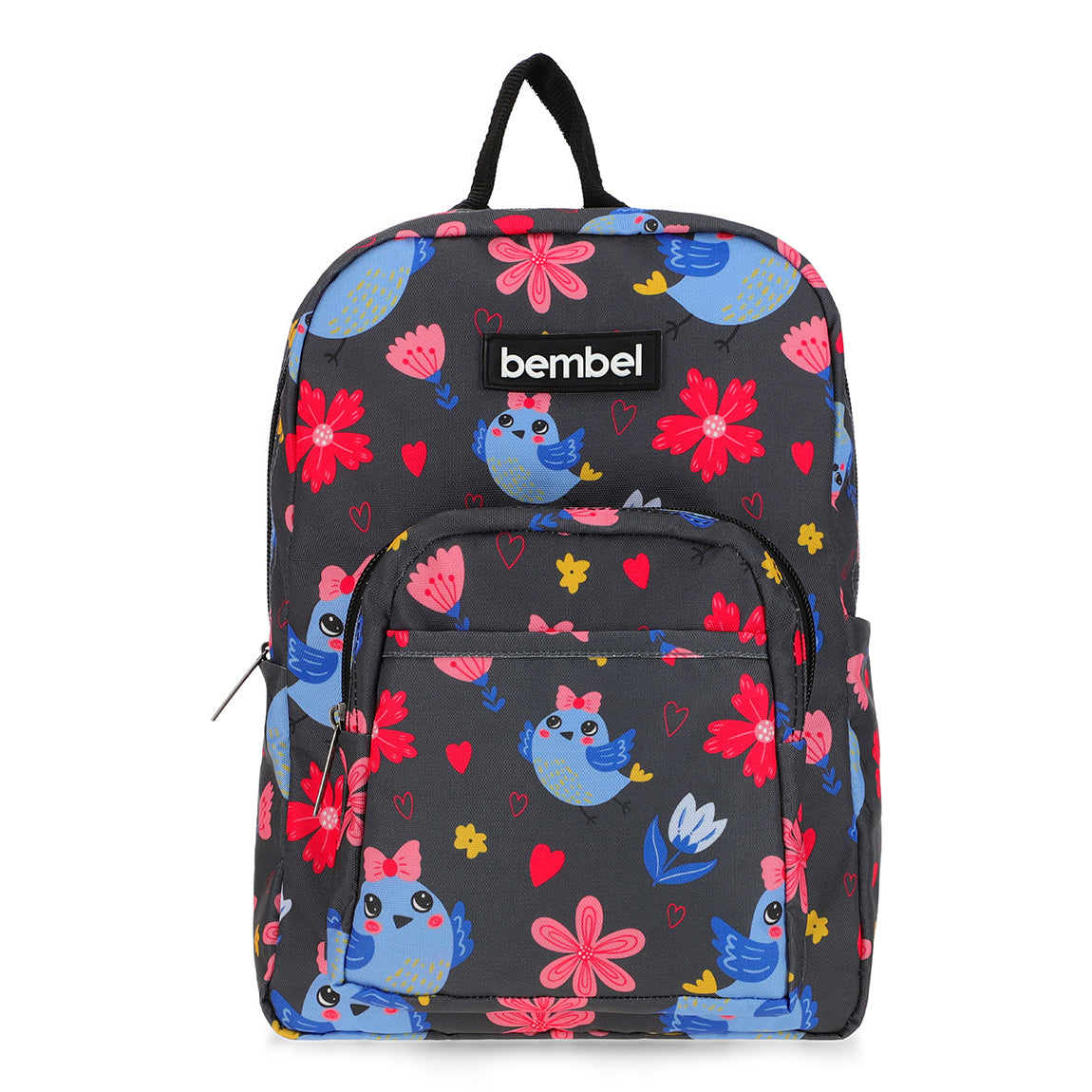
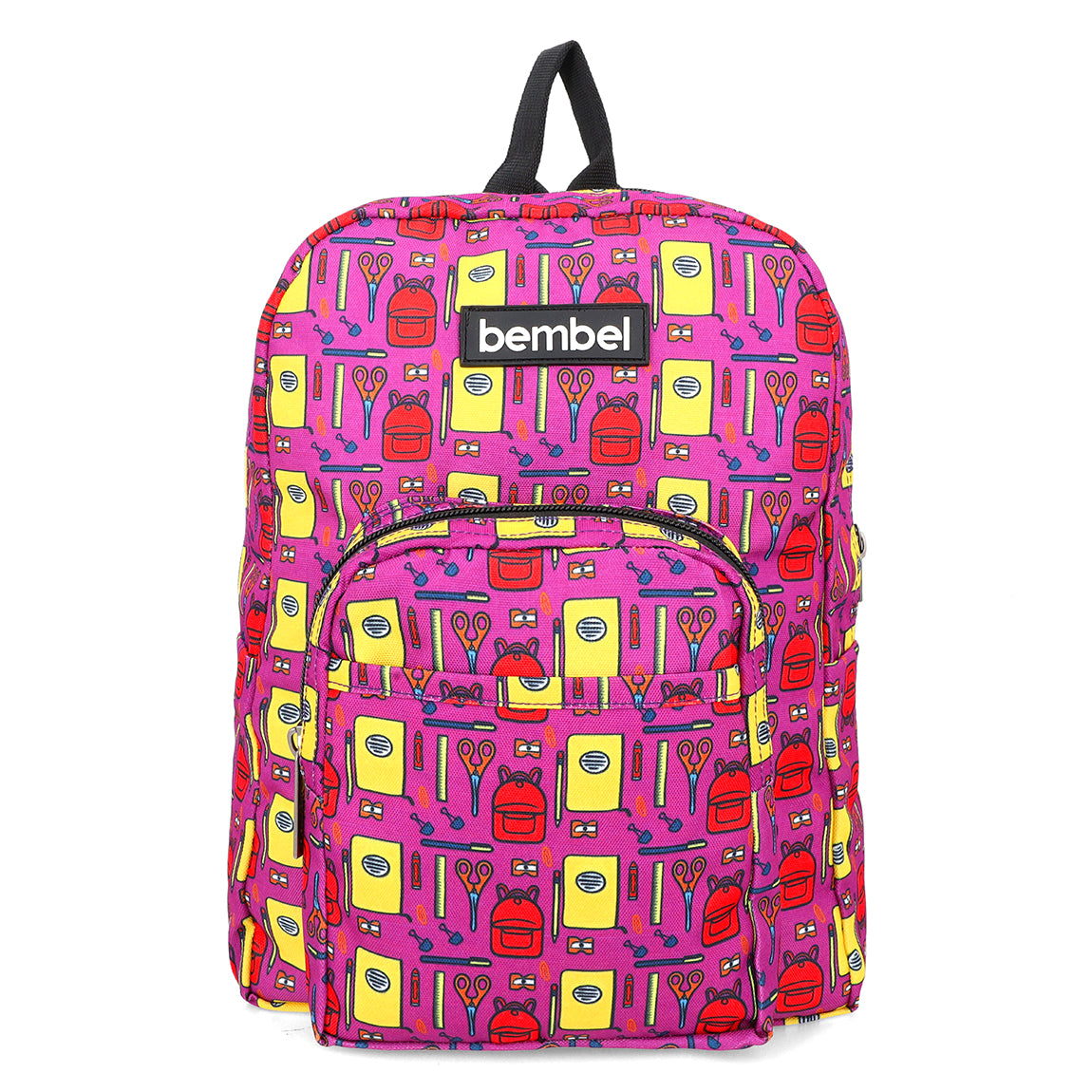
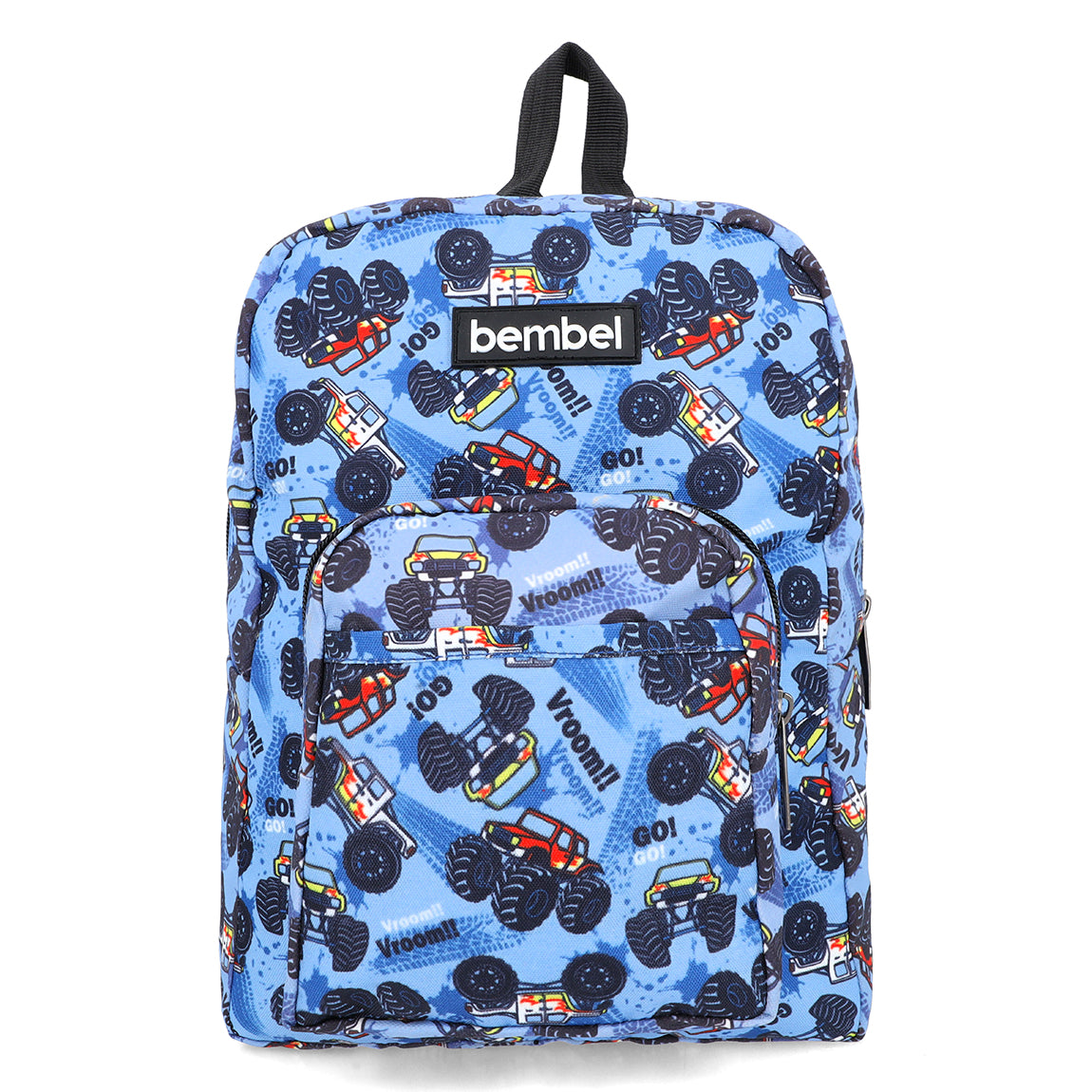
Classic backpacks are the default choice for most students because they strike the right balance between function, comfort, and everyday practicality. They carry books, notebooks, stationery, lunch boxes, and often come with built-in laptop sleeves for added convenience. Their weight distributes evenly across both shoulders, making them ideal for daily commuting across campus. Most students prefer classic backpacks simply because they “just work”. They’re roomy, reliable, and suited to nearly every academic routine.
However, they lack specialized compartments for laptops or tech accessories and may feel bulky for students carrying primarily digital devices. For those who require organized storage for electronics, these backpacks are best avoided in favor of more tech-focused alternatives.
Laptop backpacks are built for students whose academic work revolves around digital tools. Their slim, structured design protects devices through padded laptop compartments and dedicated pockets for chargers, mice, tablets, and power banks. They maintain a clean, professional look and remain lightweight since they’re meant for students who carry more tech and fewer physical books. These backpacks are especially popular among IT, business, and design students, or anyone whose bag functions as a portable workspace.
However, their smaller main compartments may not accommodate heavy textbooks, making them less suitable for students who regularly carry large physical loads. For those students, a more spacious backpack would be a better choice.
Ergonomic or anti-back-pain backpacks are designed for students who carry heavy loads every day. They prioritize body support through extra padding in the straps and back panel, structured reinforcement to prevent sagging, and weight-distribution features that reduce strain during long walks. Some even include sternum or compression straps for added stability. These backpacks are ideal for students dealing with thick textbooks, long commutes, or large campus distances.
However, these backpacks are heavier than standard options due to their reinforced features, which can make them overkill for students with lighter daily loads. Those students may prefer a simpler, lighter bag that better suits their routine.
If you happen to be enrolled in a degree that requires you to carry heavy books daily, then you have to evaluate the bag’s weight carrying capacity wisely. In that case, you are better off going for a bag with spacious dimensions, sturdy materials, and reinforced stitching at stress points. A bag that meets these criteria is going to serve you best.
Messenger Bags
Tech-focused messenger bags cater to digital-heavy academic routines and offer a professional, organized carry. They typically include padded laptop sleeves, multiple compartments for accessories, and a structured layout that protects electronics. These bags are especially useful for design, business, engineering, and media students who need quick access to their devices and prefer the efficiency of a compact, office-style layout.
However, these bags offer limited space for heavy textbooks or bulky supplies and may feel cumbersome if you are required to carry larger items alongside tech. Students with heavy daily textbook loads or substantial physical materials are better off choosing a more spacious backpack.
Sling bags and crossbody bags have become popular for their minimalist design and lightweight feel. They’re ideal for carrying essentials like phones, wallets, keys, and small notebooks, making them perfect for moving between classes without a heavy load. While not suitable for textbooks or laptops, they excel as a secondary campus carry and work well for short commutes and light schedules.
However, if you are someone who sometimes carries textbooks or laptops, sling bags are a no-go on such days. For that purpose, you need to have either a classic or laptop backpack as your option.
Unconventional College Bags
Drawstring bags are the most lightweight and budget-friendly option for college students. They work best for PE classes, sports practice, quick campus errands, and carrying simple essentials like water bottles, gym clothes, or accessories. However, they lack structure and protection, making them unsuitable for laptops or heavy academic materials.
Tech-integrated smart bags are increasingly common as campus life becomes more digital. They include features like USB charging ports, anti-theft zippers, hidden device pockets, and sometimes built-in power banks. These bags are ideal for students who value connectivity, convenience, and tight device security throughout the day.
However, these bags can be more expensive, and the additional tech features may add weight and complexity. Hence, students with minimal tech needs or those seeking a lightweight, low-cost everyday bag are better off choosing simpler alternatives.
Go Pick Your Bag!
When it comes to choosing a bag for your college, choices are endless. It all comes down to your preferred aesthetic, usage and purpose. Choose a bag that fulfills all. If you happen to prefer buying bags online, then do checkout college bags collection which is second to none in terms of quality, styles and functionality.